
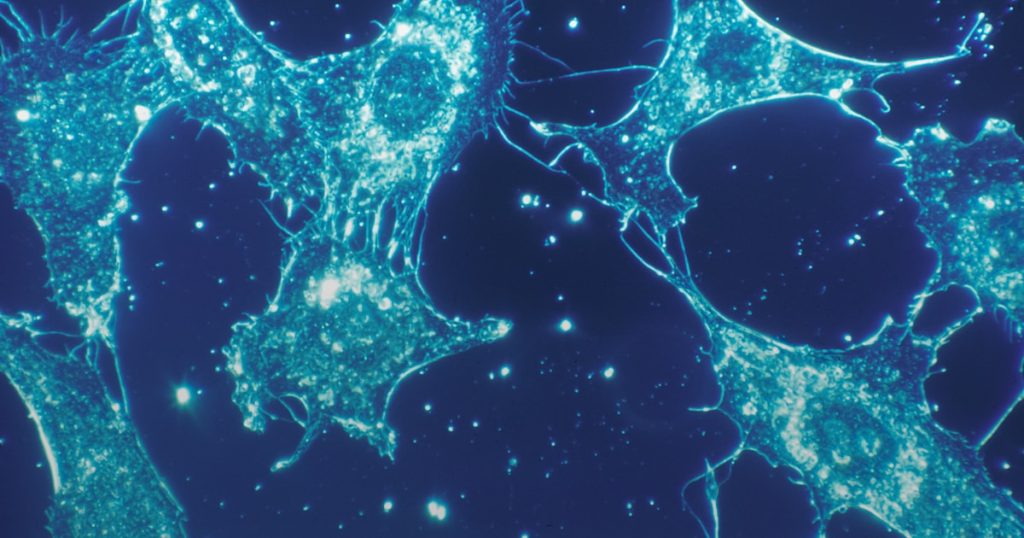
About Leiomyosarcoma (LMS)
LMS is a rare and aggressive soft tissue sarcoma (cancer) that originates in smooth muscle cells, the involuntary muscles controlling organs like the stomach, intestines, bladder, blood vessels, and uterus, and can also appear in skin or limbs.
Where LMS Can Originate
LMS can originate in several different locations in the body, these are (in order of occurrence):
- Uterus (Uterine LMS): A common site, often confused with benign fibroids.
- Abdomen/Retroperitoneum: Deep within the tummy area.
- Skin: In muscles around hair follicles or sweat glands.
- Limbs (extremities) & Trunk: In soft tissues of arms, legs, or body.
- Vascular (Large blood vessels): In the walls of major vessels like the vena cava or pulmonary arteries.
Incidence and Demographics
- There are around 500 new cases of Leiomyosarcoma diagnosed every year in the UK, although statistics are poor.
- Leiomyosarcoma makes up around 11.8% of all soft tissue sarcomas, and about 0.17% of all cancers.
- Although Leiomyosarcoma can affect people of any age, the median age at diagnosis is 64 years old.
- There are more females than males diagnosed with Leiomyosarcoma. This is because they can be diagnosed with uterine Leiomyosarcoma, which is the most common subtype of Leiomyosarcoma.
Survival Rates
5-year survival rates vary by stage at diagnosis:
- Localized: ~63%
- Regional: ~36%
- Distant: ~14%
Overall 5-year rates hover around 45-55%, dropping further for 10-year survival (around 34%). Survival rates are heavily dependent on tumour grade, size, location, and quality and timeliness of treatments.
Survival rates have marginally increased as follow up surveillance and localised treatment options have improved but they remain far below survival rates for other cancers, and progress is painfully slow.
Treatment Complexity
Leiomyosarcoma is a complex cancer, that requires many different types of treatments for different people. There are several subtypes which behave differently based on the primary location: uterine, retroperitoneal, vascular, limb and cutaneous. Each subtype can have specific genetic mutations unique to the individual. For example, some uterine LMS is oestrogen driven and an aromatase inhibitor is used. Some subtypes have the BRCA 2 mutation, and a PARP inhibitor can help.
Not only are genetic mutations different from person to person, but they can also be different tumour to tumour in the same person. As these tumours grow and spread, they can become resistant to treatments.
There may never be a single, one-size-fits-all cure for LMS. What is needed is early detection, and a variety of treatment options, including the use of precision and targeted drugs, vaccines and combinations of surgery and interventional radiology.
The UK Picture
The UK picture for Leiomyosarcoma patients, in common with other rare cancers, is one of a very fragmented approach, with variations in diagnosis, treatment and follow up surveillance. As well as the immediate impact on patients, this fragmentation has resulted in low levels of investment and research. There are obvious opportunities for improving patient diagnosis, treatment, and outcomes.
Leiomyosarcoma FAQs
Our FAQ page has clear, accessible information to help people affected by LMS better understand their diagnosis, care, next steps and support options.