
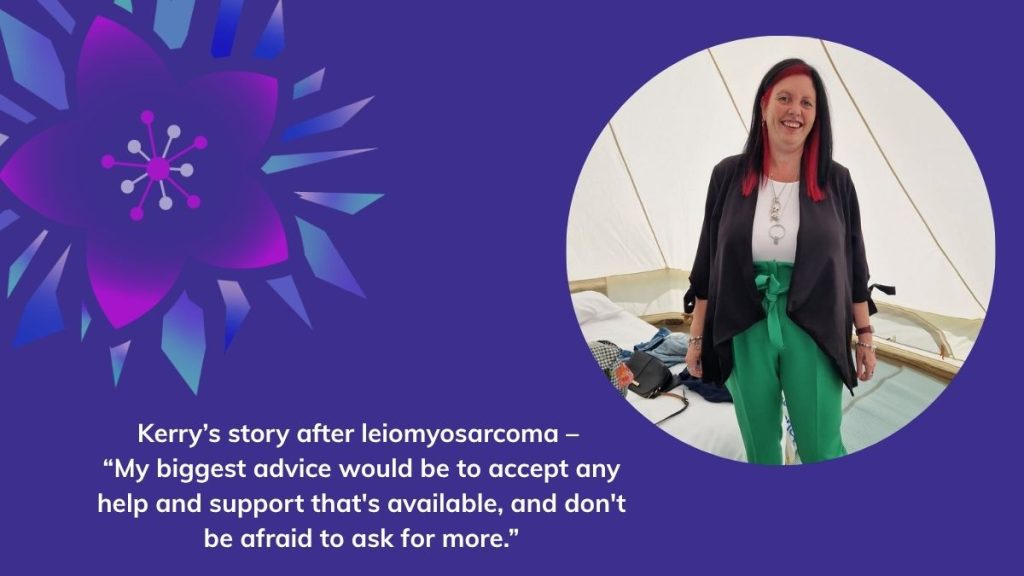
Living with Leiomyosarcoma: My journey through diagnosis, surgery and finding a new normal
After being diagnosed with a rare form of leiomyosarcoma arising from the inferior vena cava (IVC) in April 2024, following the discovery of a 12.5cm tumour, life changed completely for Kerry Stokes, from Crowland in Lincolnshire, now aged 45 and was diagnosed at 43.
Although surgery successfully removed the tumour, the physical and emotional effects of cancer remain. This is Kerry’s story of diagnosis, treatment, living with uncertainty and the importance of support for people affected by rare cancers.
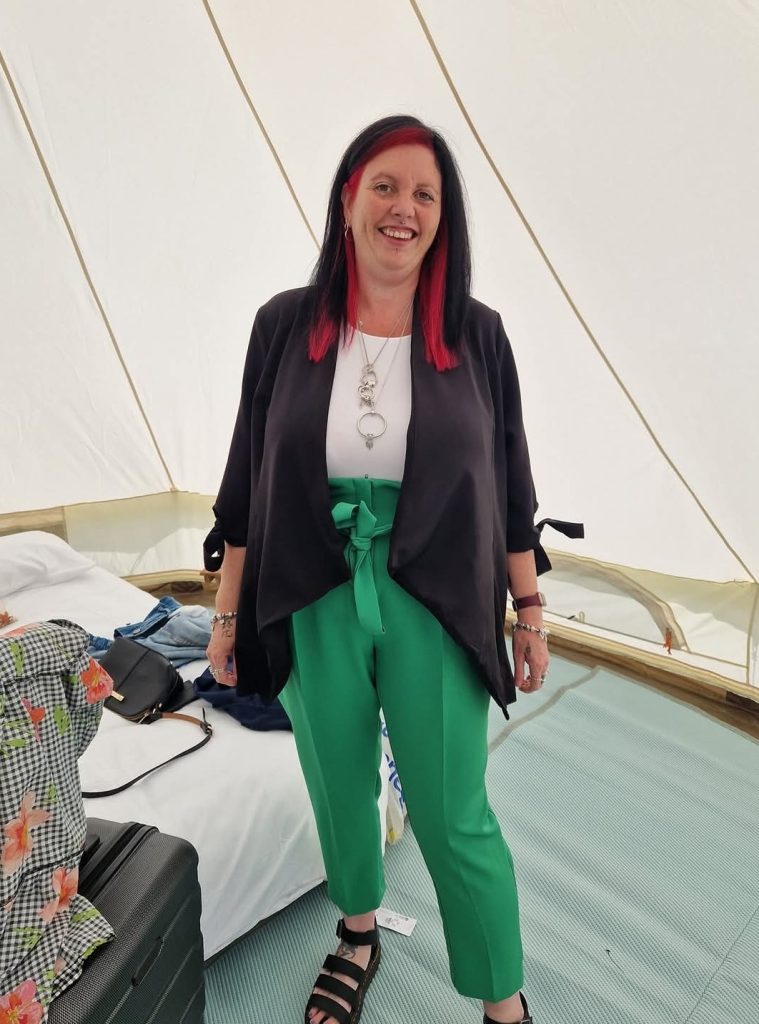
When were you diagnosed with leiomyosarcoma?
I was diagnosed with leiomyosarcoma (LMS) in April 2024, following surgery to remove a 12.5cm tumour in my abdomen.
Initially, doctors believed the mass could be adrenal cancer. However, during surgery in Sheffield, they discovered that the tumour had actually arisen from my inferior vena cava (IVC), a major blood vessel that carries blood back to the heart.
Further testing confirmed that I had leiomyosarcoma of the IVC, an extremely rare form of soft tissue sarcoma.
As a result of the tumour and surgery, I lost my right adrenal gland, and my right kidney no longer functions properly because of the pressure the tumour had placed on it.
What symptoms led to your diagnosis?
For some time, I had been experiencing pain in my right side, but it had been attributed to various other causes.
In January 2024, I underwent a full hysterectomy. Then, in February, I visited my GP because I was experiencing abdominal pain.
Because of my recent surgery, my GP referred me to hospital for further investigation.
I was given a CT scan, which revealed a 12.5cm mass in my abdomen.
Hearing the words “suspicious mass” was frightening enough, but at that stage I had no idea just how much my life was about to change.
How did you feel when you found out you had leiomyosarcoma?
I felt as though my whole world had changed.
I was already shocked when doctors told me they had found a suspicious mass. But discovering that it was leiomyosarcoma, and learning just how rare this cancer is, made everything even more frightening.
I felt like I was no longer the same person I had been before my diagnosis.
Even though the tumour was successfully removed, the worry doesn’t simply disappear. I still live with the fear that the cancer could return.
I don’t think people always realise how much a cancer diagnosis changes you, not just physically but mentally and emotionally too.
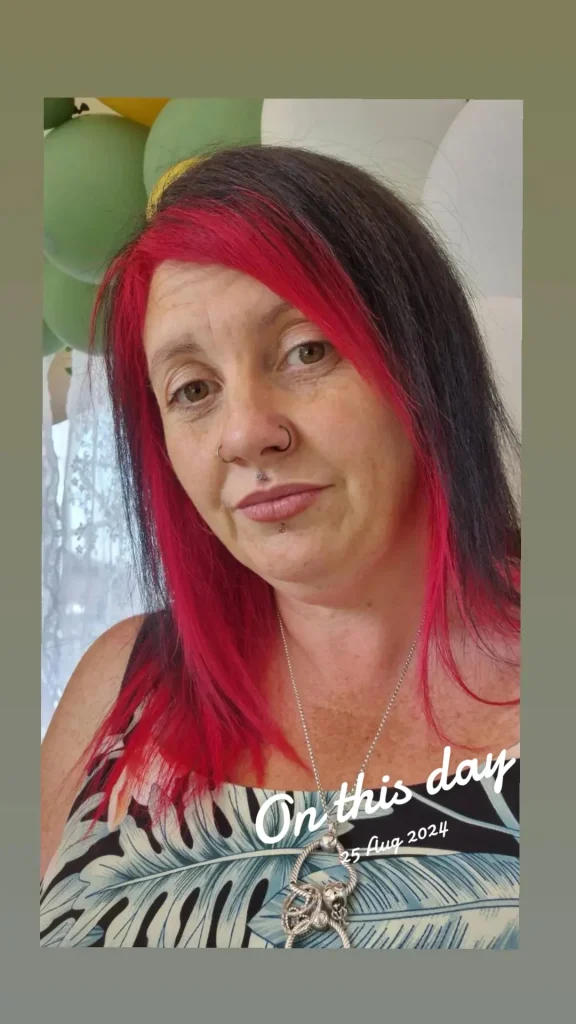
What treatment have you had for leiomyosarcoma?
My main treatment was surgery in Sheffield in April 2024, when the tumour was completely removed.
Doctors already knew from my CT and MRI scans that my inferior vena cava was involved, but they didn’t know the full extent until they operated.
During surgery, they discovered that the tumour had arisen from the IVC itself.
I haven’t had chemotherapy or radiotherapy, as I was advised that surgery was the best treatment option in my circumstances.
I’m incredibly grateful that the tumour was able to be removed completely, but that doesn’t mean everything has returned to normal.
Do doctors know how you’ve defied the odds?
I’m not sure my doctors would say I’ve defied the odds, but I certainly feel incredibly lucky that the tumour was discovered and could be completely removed.
Because leiomyosarcoma of the IVC is so rare, there are still many unknowns.
That’s one of the hardest things about living with this diagnosis. You don’t always get clear answers about what the future might look like.
I’m grateful for how far I’ve come, but the fear of recurrence is always there in the background.
I try to take each day as it comes and appreciate the fact that I’m still here.
How has your diagnosis affected your family?
My diagnosis has affected my partner, family and friends enormously.
They’ve been there for me throughout everything, from the initial uncertainty and fear to my surgery and the challenges of life afterwards.
I think it’s been difficult for them to see how much I’ve changed, both physically and mentally.
Even though the tumour has been removed, we all live with the worry that it could return.
My family has been a huge part of my support network, especially when I’ve struggled with health anxiety or haven’t felt like myself.
Cancer doesn’t just affect the person receiving the diagnosis. It affects everyone who loves them.
We’ve all had to adjust to a new normal, and we’re still learning how to live with that uncertainty together.
What is life like after treatment for leiomyosarcoma?
One of the things I’ve found particularly difficult is the lack of support after my surgery.
In my personal experience, once the tumour was removed, it sometimes felt as though nobody was particularly concerned about what happened next.
I’ve even felt like I was being a nuisance when I’ve needed reassurance or wanted answers.
I know that my tumour being removed is something to be grateful for, but just because the cancer has been removed doesn’t mean the impact of having cancer has disappeared.
The physical effects, the anxiety and the fear of recurrence are still very real.
I have a friend who has been through breast cancer, and I’ve seen how much support she’s received through different groups and services.
I’m genuinely pleased that support has been available to her, but it has highlighted how different my own experience has been.
I haven’t received the same kind of support, and at times I’ve felt quite alone in trying to navigate everything.
I can’t speak for everyone with sarcoma, but from my experience, it feels as though people with rare cancers can be overlooked.
I think there needs to be much greater awareness that people living with rare cancers need emotional support, practical guidance and reassurance, even after their treatment has finished.
Being told your tumour has been removed doesn’t mean you stop needing help.
My nearest sarcoma support groups are in Nottingham or Cambridge and due to relying on public transport they aren’t accessible for me so again help and support is restricted.
What does your new normal look like?
My new normal is very different from the life I had before my diagnosis.
Physically, I can’t do as much as I used to. I get tired more quickly and become breathless more easily, so I’ve had to learn to listen to my body and accept that sometimes I need to slow down.
But the biggest change has been mentally.
I constantly worry that the cancer could come back. I’ve developed a lot of health anxiety, and I can find myself questioning every ache or pain.
It’s difficult to switch that part of my mind off.
Emotionally, I sometimes feel quite numb. I don’t feel like the same person I was before cancer, and I’m still trying to work out who I am now.
I’m learning that it’s okay to ask for help and that I don’t have to pretend everything is fine just because my treatment is over.
Some days are harder than others, but I’m still here, and that means a lot.
How has your diagnosis affected your day-to-day life?
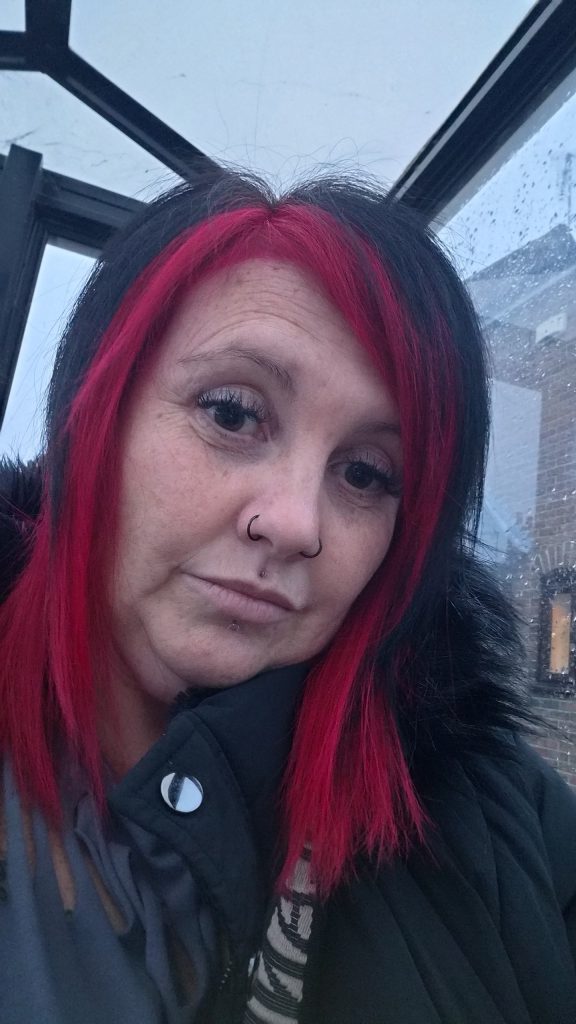
Before my diagnosis, I’d lost four stone through Slimming World.
I’ve since gained that weight back, and I was told that the weight I’d originally lost may have been linked to the malignancy inside me.
That was incredibly difficult to hear.
Despite everything, I still attend my Slimming World group every Tuesday morning.
They’ve become so much more than a weight-loss group to me. They’re some of my biggest supporters and have been there throughout my cancer journey.
It’s another reminder of how important it is to have people around you who genuinely care.
How are things now?
Things are okay, although life is very different.
My latest CT scan in May 2026 brought positive news, which was a huge relief.
After everything I’ve been through, receiving reassuring scan results means so much, although the worry never completely disappears.
At the moment, I also have a lump on my shin, which I’ve recently had an MRI scan to investigate. I’m waiting for the results.
Naturally, that’s brought a lot of the anxiety back, particularly because of my cancer history. I’m trying not to jump to conclusions until I know more.
I’m also still dealing with the emotional effects of my diagnosis. I’ve had some cognitive behavioural therapy (CBT) and am waiting for more in-depth therapy to help with my health anxiety.
I don’t think I’ll ever be exactly the person I was before cancer, but I’m learning to accept that.
I’m trying to focus on what I can do rather than what I can’t, and to keep moving forward one day at a time.
What has helped you stay positive?
Without a doubt, the people around me.
My partner, family and friends have supported me every step of the way.
My Slimming World group has also been incredible. They’ve helped keep me going, especially on the days when I’ve really struggled.
Knowing I’m not facing everything alone makes such a difference.
Receiving positive CT scan results in May 2026 was another important moment that gave me something to be grateful for.
But I don’t think being positive means never feeling frightened or having bad days.
For me, positivity is about continuing to move forward, even when things are difficult.
It’s about remembering how far I’ve come and recognising that it’s okay to ask for help.
What advice would you give to someone newly diagnosed with leiomyosarcoma or another rare sarcoma?
My biggest advice would be to accept any help and support that’s available, and don’t be afraid to ask for more.
Because sarcoma is so rare, I’ve personally found that support isn’t always easy to access.
If you feel you’re not getting the help you need, keep asking. Don’t feel like you’re being a nuisance.
Listen to your body and advocate for yourself. If something doesn’t feel right, keep pushing for answers.
You know your own body better than anyone.
Talk to your partner, family and friends about how you’re feeling. Let them support you, even on the days when you don’t feel strong.
A sarcoma diagnosis can be frightening, and the uncertainty can be overwhelming, but you shouldn’t have to navigate it alone.
And remember, just because your treatment has finished doesn’t mean you have to be okay.
Why Stories Like This Matter
This experience highlights an important aspect of living with leiomyosarcoma: the need for ongoing support after cancer treatment.
For people diagnosed with rare cancers such as leiomyosarcoma of the inferior vena cava, the challenges can extend far beyond surgery. Fear of recurrence, health anxiety, physical limitations and difficulty accessing specialist emotional support can all affect quality of life.
At LMS Research UK, sharing patient experiences helps raise awareness of the realities of living with leiomyosarcoma, the importance of continued research and the need for patients and families to feel heard and supported.
A final message
“Just because my tumour has been removed doesn’t mean everything is fine. Cancer has changed me physically and mentally, and I’m still learning how to live with that. I’m incredibly grateful to be here, but people with rare cancers need support too. Nobody should feel forgotten once their treatment is over.”